


Globalisation is a continuing reality, but certain of its effects are increasingly coming under widespread attack and scrutiny.
Just this year, Britain voted to leave the EU, the right-leaning US President Trump threatened to build a wall around America and the centre right in Europe rallied against migration policies. The upshot of this anti-globalisation sentiment is that the economy of virtually any country will likely stumble without access to international markets, trade and opportunities, directly impacting the livelihood and prospects of its people.
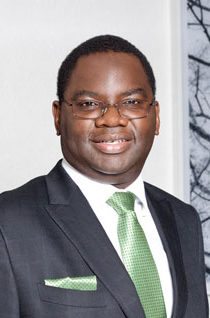
Clement Chinaka, MD of Old Mutual Corporate says, “Without strong global economic growth to pull it up, South Africa’s economy is likely to remain stuck in its low-growth mode, with a recession still a distinct possibility.”
Serious concern
This will have a distinct impact on South African’s retirement savings, he says, as outcomes on retiring are likely to be lower than anticipated in such a low growth environment. “Retiring in the face of anti-globalisation is a serious concern, because most South Africans are saving for retirement through defined contribution funds – not defined benefit funds.
This means members carry the investment risk and, as a result, the amount they get out on retirement depends on how much they invest and on the performance of the underlying investments in their pension fund portfolios.”
Chinaka says that in such uncertain times, it is crucial that retirement fund trustees and advisers manage the expectations of members. “Advisers need to assess how much lower the returns would be if the economy were to remain in a low growth mode, compared to what the market has been used to. Similarly, trustees have to take a view on what is achievable in order to effectively manage the expectations of members.”
Investment strategies
Globalisation is currently experiencing a phase of transition and the reality is that this will impact on retirement outcomes for members. “Investment strategies need to be reviewed to improve returns, and ultimately to improve members’ retirement outcomes.”
He concludes by emphasising the importance of clear, constant and effective communication to members around return expectations, as well as the value of encouraging members to seek sound financial advice. “Ultimately, the investment risk falls squarely on the shoulders of members, and it is crucial that they be kept well-informed about the state of their retirement.”
Clement Chinaka
MD, Old Mutual Corporate
http://www.oldmutual.co.za/corporate/wisdom-forum
CMurphy@oldmutual.com