


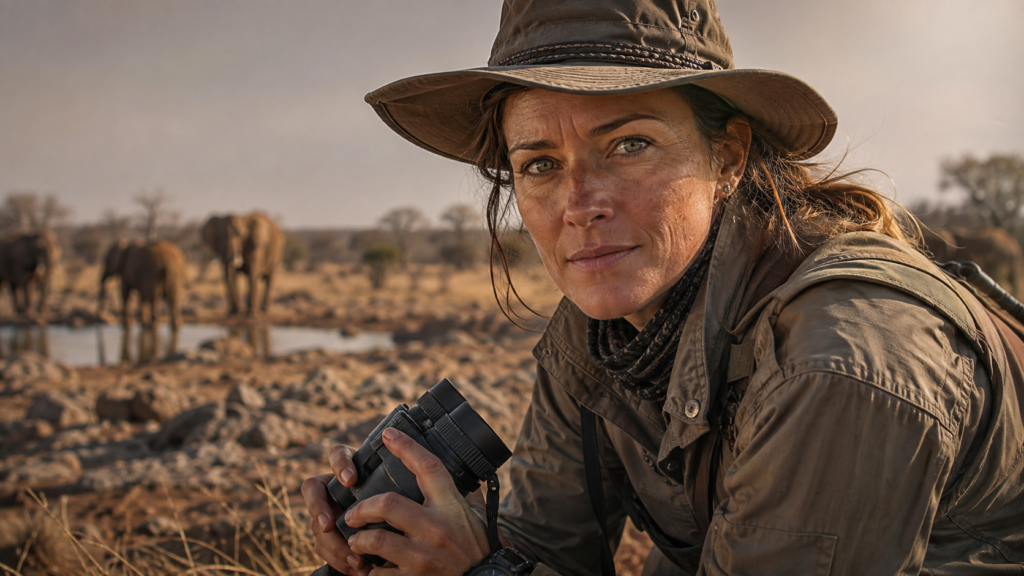
A Zoologist salary in South Africa usually ranges from about R15,000 to R60,000+ per month, depending on experience, qualification level, employer, location, research focus and whether the role is in conservation, wildlife research, biodiversity, academia, environmental consulting, game reserves, government, zoos, museums, NGOs or private ecological services. Senior Zoologists, research scientists, biodiversity specialists and academic researchers can earn more.
Zoologists study animals, their behaviour, biology, habitats, ecosystems and interactions with the environment. In South Africa, zoology careers often overlap with wildlife biology, ecology, conservation, biodiversity research, environmental impact work and animal science.
Key takeaways
- Entry-level Zoologists may earn around R15,000 to R22,000 per month.
- Experienced Zoologists often earn between R22,000 and R40,000 per month.
- Senior Zoologists may earn R40,000 to R60,000+ per month.
- WageIndicator places biologists, botanists, zoologists and related professionals in a 2026 range of about R17,890 to R59,446 per month. (WageIndicator)
- Paylab’s biologist benchmark places most Biologist salaries in South Africa between roughly €760 and €1,793 gross per month, which is useful as a related biology-field reference. (Paylab)
- Postgraduate study, fieldwork, GIS, ecological monitoring, biodiversity research and environmental consulting experience can improve earning potential.
Zoologist salary range in South Africa
| Experience level / role type | Estimated monthly salary |
|---|---|
| Entry-level Zoologist | R15,000 – R22,000 |
| Zoologist / Wildlife Biologist | R22,000 – R40,000 |
| Senior Zoologist / specialist researcher | R40,000 – R60,000+ |
| Research Scientist / Biodiversity Specialist | R45,000 – R70,000+ |
| Wider zoology-related professional range | R17,890 – R59,446 |
Salary sources vary because roles may be listed as Zoologist, Wildlife Biologist, Ecologist, Conservation Scientist, Biodiversity Officer, Animal Scientist, Field Researcher, Environmental Scientist, Research Scientist, Museum Scientist, Lecturer or Biologist.
Zoologist-specific salary data is limited in South Africa, so the best benchmarks usually come from broader biological science and related professional categories. WageIndicator places biologists, botanists, zoologists and related professionals in a 2026 monthly salary range of about R17,890 to R59,446. (WageIndicator) Paylab’s Biologist salary data is also useful because zoology roles often fall under wider biology and life-science job categories. (Paylab)
What does a Zoologist do?
A Zoologist studies animals and their relationship with the environment.
Typical duties include:
- Studying animal behaviour
- Conducting field research
- Monitoring wildlife populations
- Collecting biological samples
- Recording habitat and ecosystem data
- Analysing animal movement, breeding or feeding patterns
- Supporting conservation projects
- Preparing research reports
- Using GIS or mapping tools
- Working with conservation agencies or environmental consultants
- Supporting biodiversity assessments
- Advising on wildlife management
- Publishing or presenting research findings
- Working with universities, NGOs, game reserves or government bodies
Some Zoologists work mainly outdoors in the field, while others focus on laboratory analysis, data modelling, environmental reports, academic research or teaching.
What affects a Zoologist salary?
Qualification level
A bachelor’s degree may support entry-level research, fieldwork or conservation roles. Honours, master’s or PhD qualifications can improve access to senior research, academic, consulting and specialist biodiversity roles.
Sector
Zoologists may work in conservation organisations, environmental consultancies, universities, museums, government departments, biodiversity institutes, game reserves, animal facilities or NGOs. Consulting, specialist research and senior government or academic roles may pay more than entry-level fieldwork.
Fieldwork and technical skills
Experience with wildlife surveys, biodiversity monitoring, animal tracking, sampling methods, ecological reporting, camera traps, GIS, statistical analysis and scientific writing can improve salary prospects.
Location and project type
Wildlife and conservation work may be based in remote areas, reserves or project sites. Some roles include accommodation or field allowances, while others are office-based in universities, consulting firms or research institutions.
Research specialisation
Specialists in areas such as marine biology, entomology, mammalogy, ornithology, herpetology, conservation genetics, behavioural ecology or ecological impact assessment may have different earning potential depending on demand and funding.
Entry-level Zoologist salary
An entry-level Zoologist may earn around R15,000 to R22,000 per month.
At this level, the person may assist with field surveys, data collection, animal monitoring, research administration, lab support, conservation projects and report preparation under senior supervision.
Experienced Zoologist salary
An experienced Zoologist may earn between R22,000 and R40,000 per month.
This level usually applies to someone who can run fieldwork independently, analyse data, write reports, support conservation decisions and contribute to research or environmental projects.
Senior Zoologist salary
A Senior Zoologist may earn R40,000 to R60,000+ per month.
Higher salaries are more likely where the role includes postgraduate expertise, project leadership, biodiversity consulting, scientific publications, team supervision, specialist species knowledge, research funding or strategic conservation work.
Zoologist vs Wildlife Biologist salary
A Zoologist studies animals broadly, including their biology, behaviour and classification.
A Wildlife Biologist usually focuses more specifically on wild animal populations, habitats, ecosystems and conservation management. In practice, the roles overlap heavily, and salary often depends more on employer, qualification and project responsibility than the exact title.
Zoologist vs Ecologist salary
A Zoologist focuses mainly on animals.
An Ecologist studies relationships between organisms and their environment, which may include animals, plants, habitats, ecosystems and human impact. Zoologists working in conservation or environmental consulting often use ecological skills.
Zoologist vs Game Ranger salary
A Game Ranger usually works in wildlife reserves, guiding, anti-poaching, reserve operations, guest experience or wildlife protection.
A Zoologist is more research and science focused. Zoologists may work with data, surveys, species monitoring, academic research or conservation planning. Game rangers may spend more time in operational reserve management and guest-facing work.
How to earn more as a Zoologist
To increase earning potential, build specialist scientific, fieldwork and data skills.
Useful areas include:
- Honours, master’s or PhD study
- Wildlife monitoring
- Biodiversity assessments
- Environmental impact assessment
- GIS and mapping
- Camera trap surveys
- Animal tracking
- Scientific writing
- Statistical analysis
- Conservation planning
- Species identification
- Field research methods
- Grant writing
- Project management
- Environmental consulting
The strongest Zoologists combine scientific curiosity with practical field skills, careful data handling and the ability to turn research into useful conservation or environmental decisions.
FAQ: Zoologist salary
What is the average Zoologist salary in South Africa?
Zoologist-specific salary data is limited, but WageIndicator places biologists, botanists, zoologists and related professionals in a 2026 salary range of about R17,890 to R59,446 per month. A practical Zoologist salary range is about R15,000 to R60,000+ per month, depending on experience, employer and qualification level. (WageIndicator)
Is zoology a good career in South Africa?
Yes, but it can be competitive. Zoology can be a good career for someone interested in animals, conservation, biodiversity, fieldwork and research. Career growth is often stronger with postgraduate study and specialist technical skills.
What qualifications do Zoologists need?
Employers usually look for a degree in zoology, biological sciences, ecology, conservation biology, wildlife management or a related field. Honours, master’s or PhD study can improve access to research, academic and senior conservation roles.
Do Zoologists work with animals every day?
Some do, especially in field research, reserves, zoos or wildlife projects. Others work more with data, reports, lab samples, environmental assessments, academic research or conservation planning.
What jobs can a Zoologist move into?
A Zoologist can move into roles such as Wildlife Biologist, Ecologist, Conservation Scientist, Biodiversity Specialist, Environmental Consultant, Research Scientist, Animal Scientist, Museum Scientist, Lecturer, Field Researcher or Conservation Project Manager.
Sources
WageIndicator Biologists, Botanists, Zoologists and Related Professionals salary data
https://wageindicator.org/en-za/work-in-south-africa/role-and-pay/biologists-botanists-zoologists-and-related-professionals
Paylab Biologist salary data
https://www.paylab.com/za/salaryinfo/education-science-research/biologist?global_salary_period=monthly
PayScale Biologist salary data
https://www.payscale.com/research/ZA/Job%3DBiologist/Salary
Indeed SANBI Animal Scientist salary data
https://za.indeed.com/cmp/South-African-National-Biodiversity-Institute/salaries/Animal-Scientist
Indeed Research Scientist salary data
https://za.indeed.com/career/research-scientist/salaries
TalentUp Biologist Cape Town salary data
https://talentup.io/salary/Biologist/Cape%20Town