


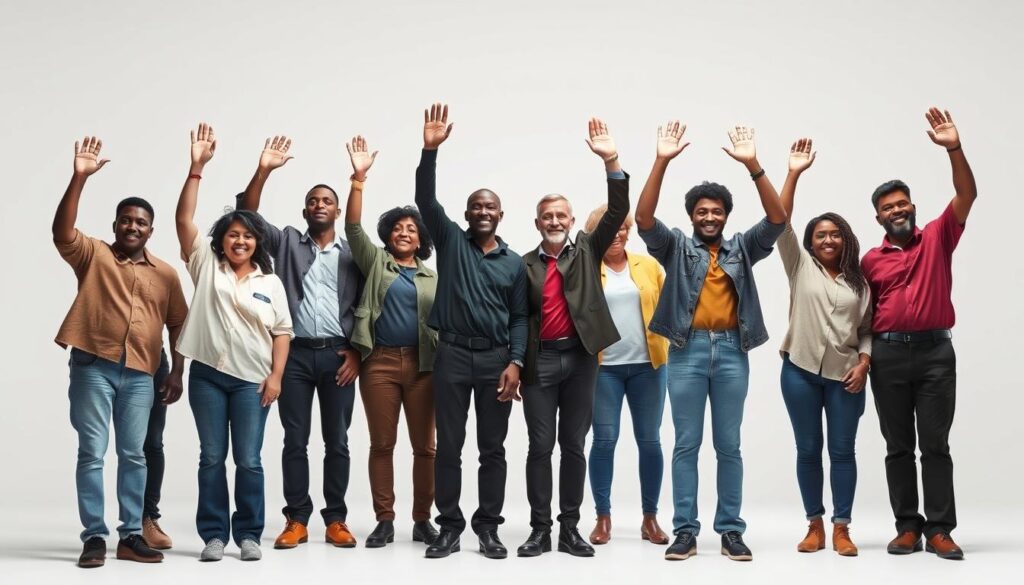
In South Africa’s workplaces, it’s key to know why employees join unions. Unions help protect workers’ rights and make work environments fair. They support workers’ interests.
Choosing to join a union is about having strength in numbers. South African workers know that alone, their voices are often ignored. But together, they can fight for better work conditions, fair pay, and job security.
The history of labour in South Africa has made unions more important than ever. Employees join unions to stand together against big challenges. They want to make sure their rights are respected in a changing economy.
Key Takeaways
- Unions provide collective bargaining power for workers
- Employee rights are strengthened through organised representation
- Workplace challenges can be addressed more effectively collectively
- Union membership offers protection against unfair treatment
- Workers gain a stronger voice in negotiating employment conditions
Understanding the Role of Unions in South Africa
Unions in South Africa have changed the game for workers’ rights and workplace fairness. They fight for employee safety and push for better deals for workers in many fields.
The story of unions in South Africa is one of courage and change. In apartheid times, unions were key in fighting against unfair work practices and pushing for fair labour.
Historical Foundations of Labour Movements
Trade unions were key in bringing about big changes, mainly during times of big political shifts. They helped by:
- Challenging unfair work practices
- Protecting workers’ rights
- Getting fair pay
- Uniting different worker groups
Contemporary Union Landscape
Nowadays, unions do more than just talk about pay. They focus on making workplaces better, tackling big issues like:
- Improving health and safety
- Offering training and skills programs
- Providing legal help for workers
- Helping workers get ahead financially
| Union Federation | Primary Sectors | Membership Size |
|---|---|---|
| COSATU | Manufacturing, Mining | 1.8 million |
| FEDUSA | Public Service, Healthcare | 550,000 |
| NACTU | Construction, Transport | 400,000 |
The union scene today is all about working together and standing up for workers. It keeps changing to meet South Africa’s new economic and social hurdles.
Reasons Employees Choose to Join Unions
Understanding why employees join unions gives us key insights into workplace dynamics in South Africa. Workers look for a collective strength to protect their interests and better their working conditions. The choice to join a union comes from several important reasons that tackle major workplace issues.
Employees usually join unions to secure their rights and boost their professional status. The main reasons include gaining collective power, ensuring job security, and defending against workplace injustices.
Collective Bargaining Power
Collective bargaining is a strong tool for employees to negotiate better working conditions. When workers come together in unions, they build a strong platform for salary talks and improving the workplace.
- Increased negotiation leverage with employers
- Ability to challenge unfair workplace practices
- Stronger representation in organisational decision-making
Job Security and Stability
In an uncertain economic world, job security is key for workers. Unions are vital in safeguarding employees from unfair dismissals and unexpected layoffs.
| Union Protection Aspects | Employee Benefits |
|---|---|
| Legal Support | Reduced Risk of Unfair Dismissal |
| Contractual Negotiations | Improved Employment Terms |
| Workplace Representation | Enhanced Communication Channels |
Protection Against Unfair Treatment
Unions act as a vital shield against workplace discrimination and unfair practices. They empower employees with legal support and fight for fair treatment across industries.
“Unity is strength… when there is teamwork and collaboration, wonderful things can be achieved.” – Mattie Stepanek
By joining a union, you get a strong ally in defending your rights, ensuring fair treatment, and keeping your professional dignity in the workplace.
Benefits of Being a Union Member
Joining a union in South Africa brings many advantages to workers. It offers protection and support in their jobs. Union membership goes beyond just speaking up for workers. It provides help with many workplace issues.
Being in a union helps workers a lot, mainly in keeping workplaces safe and helping them grow professionally:
- Access to professional legal support during employment disputes
- Stronger position for salary negotiations
- Enhanced workplace safety standards
- Collective bargaining power
Access to Legal Support
Union members get legal help when work problems happen. They get advice from experts at the Commission for Conciliation, Mediation and Arbitration (CCMA). This ensures they have the best help during tough times.
Enhanced Working Conditions
Unions work hard to make workplaces better. They fight for better working conditions that protect workers’ rights. They also push for safer and more comfortable work places.
Improved Pay and Benefits
Union help makes salary talks more effective. Workers can get better pay and benefits through collective bargaining. This is harder for one person to do alone.
Union membership transforms individual vulnerability into collective strength.
The Importance of Solidarity Among Workers
In the complex world of work, worker solidarity is a strong force. It turns individual fights into a united front. Unions in South Africa know that together, they can make real changes. They give workers a strong voice to tackle work problems.
Solidarity is more than just working together. It’s a deep commitment to shared rights and support. When workers stand together, they can fight against unfair work practices. They can also talk better with their bosses.
Fostering a Sense of Community
Being part of a union offers more than just better pay. It creates places where workers can:
- Share personal and professional stories
- Make real connections
- Feel like they belong
- Support each other when things get tough
Building a Support Network
The power of solidarity comes from turning individual weaknesses into a strong group. Unions hold meetings, social events, and work together on projects. This builds networks that:
- Give emotional and professional support
- Help with work disputes
- Share knowledge
- Help members fight for their rights
By embracing solidarity, workers in South Africa can make lasting, positive changes in their work lives.
Challenges Faced by Unions in South Africa
Trade unions in South Africa face big hurdles. These affect how they represent workers and keep jobs safe. Workers need unions to protect them in a changing economy.
Political interference is a big problem for unions. The mix of politics and unions can weaken workers’ voices. It makes it hard for them to stand up for themselves.
Economic Pressures on Union Membership
Many economic issues make it hard for workers to join unions in South Africa:
- High unemployment rates reduce bargaining power
- More casual jobs and less stable work
- New technologies change how we work
- Global markets put pressure on jobs
Structural Economic Constraints
The rise of informal jobs and contract work hurts union membership. Workers find it tough to keep stable union support in a fast-changing economy.
Unions need new ways to deal with these issues. They must find ways to protect workers in today’s workplaces while keeping their core values.
The future of unions depends on their ability to reinvent themselves in response to economic transformations.
Knowing these challenges helps workers decide if joining a union is right for them. It’s about understanding their rights in a complex job market.
How Unions Influence Workplace Policies
Unions are key in shaping work places in South Africa. They do more than just negotiate. They change work places through smart actions and strong support.
Unions change work place rules to make jobs better for everyone. They use their power to make big changes in how companies work.
Advocating for Health and Safety Standards
Unions help make work places safe for workers. They do this by:
- Doing detailed risk checks in dangerous jobs
- Setting up safety training for all
- Checking work places often
- Setting strict rules for safety gear
Negotiating Employment Contracts
Unions also play a big role in talks about work contracts. They make sure deals are fair by looking at things like:
- Good pay for workers
- Reasonable hours
- Clear ways to solve problems
- Fair ways to let people go
Unions fight for workers’ rights. This makes work places fair and safe for everyone, while keeping companies running well.
The Process of Joining a Union
Understanding how to join a union is easy once you know the steps. Many employees join unions to protect their rights and improve their work environment. This guide will help you understand how to become a union member in South Africa.
Choosing to join a union is a big decision. It’s important to think about what you need from a union and your career goals. Knowing why people join unions can help you make the right choice for you.
Enrolment Steps for Union Membership
- Research relevant unions in your industry
- Verify the union’s credentials and representation
- Contact the union’s local representative
- Complete official membership application
- Submit required documentation
Understanding Membership Fees
Being part of a union means you’ll have to pay fees. These fees can change based on a few things:
| Fee Category | Typical Range | Services Covered |
|---|---|---|
| Monthly Subscription | R50 – R250 | Basic representation and advice |
| Professional Sector | R100 – R500 | Advanced legal support and negotiations |
| Specialised Industries | R200 – R750 | Comprehensive employee rights protection |
Think about what you’ll get for your money. Your specific workplace rights and legal support are key to making a decision.
The money you pay helps with bargaining, legal help, and fighting for your rights at work.
Conclusion: The Future of Unions in South Africa
Unions in South Africa are key in protecting workers’ rights. They are adapting to new economic challenges. This helps them stay relevant in different sectors.
There’s a big change in how unions bargain for workers. People want more from their unions than just higher wages. Unions must now use new tech and strategies to represent workers well.
Trends in Union Membership
Union membership is changing. Some old industries have fewer members, but new ones like tech are growing. Workers see unions as vital in today’s job world.
Implications for Workers’ Rights
Unions are essential for workers’ safety. They fight for fair work, better conditions, and legal help. As the economy changes, unions will get even better at defending workers’ rights.
FAQ: Why Do Employees Join Unions in South Africa
Why do employees join unions in South Africa?
Workers join unions to have a stronger voice. They want better wages, safer workplaces, and job security. Unions help workers stand together against employers, making their jobs better.
How do unions protect workers’ rights?
Unions defend workers’ rights by giving legal help and support. They negotiate fair contracts and fight against unfair dismissals. They also make sure employers follow the law, protecting workers from being treated unfairly.
What are the key benefits of union membership?
Being in a union offers many benefits. You get legal help, safer workplaces, and better wages. You also get job security, health and safety protections, and a network of support.
How much do union memberships typically cost?
Union fees are usually 1-2% of your monthly salary. This money helps pay for the union’s work, legal support, and services for members.
Can an employer prevent me from joining a union?
No, employers can’t stop you from joining a union. The South African Constitution says workers have the right to join unions. Employers can’t discriminate against you for joining a union.
How do I choose the right union to join?
Choose a union based on your industry and needs. Look at their reputation, services, and success in negotiations. Talk to members to find the best fit for you.
What legal protections do unions provide?
Unions offer important legal help. They represent you at the CCMA, support you in disciplinary hearings, and help with unfair dismissal claims. They also guide you on employment contract disputes and fight for your rights.
Are unions relevant in the modern workplace?
Yes, unions are very important today. They protect workers’ rights, negotiate fair pay, and fight for health and safety. They give workers a strong voice in a changing job market.