


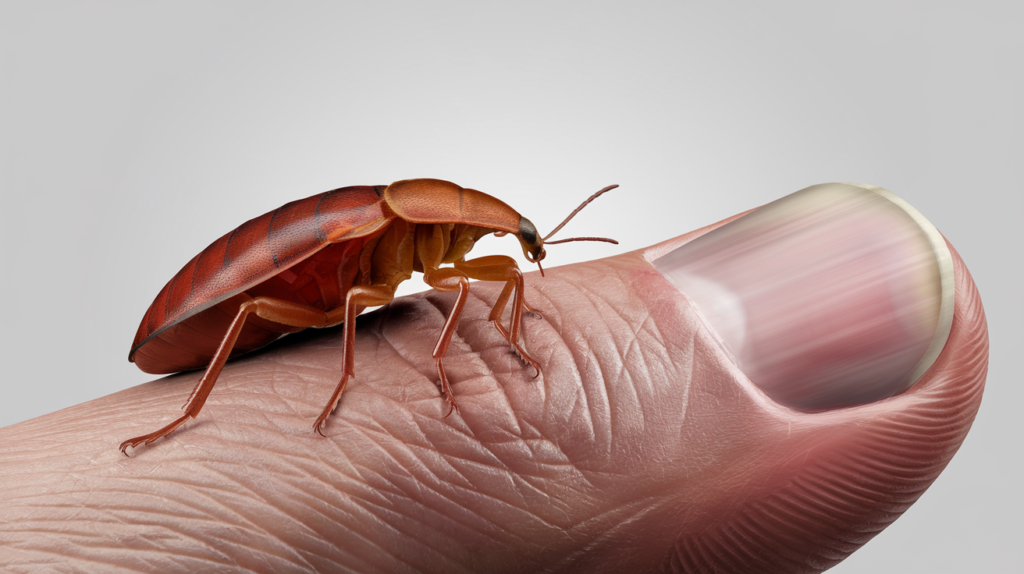
Bed bugs are tiny insects that feed on human blood, especially when skin is exposed at night. They don’t live on us, but they can bite and hide near where we sleep. Knowing where bed bugs hide and how they act is key to stopping and dealing with infestations.
Key takeaways
- Bed bugs do not live on the human body, but they can bite exposed skin during the night.
- Bed bugs prefer to hide in cracks and crevices near sleeping areas, such as mattress seams, bed frames, and headboards.
- Common bite areas include the face, neck, arms, and hands, as these are typically exposed during sleep.
- Bed bugs are attracted to body heat and carbon dioxide, which is why they often feed on areas of the body that are accessible.
- Inspecting your sleeping environment and practicing proper cleaning and maintenance can help prevent bed bug infestations.
Understanding Bed Bug Behavior
Bed bugs are a growing concern for many. These small, elusive insects can infest homes and cause problems. To tackle bed bug infestations, knowing their behavior and debunking myths is key. We’ll look into what bed bugs are, how they feed, and clear up common misconceptions.
What Are Bed Bugs?
Bed bugs are wingless insects that can live months without blood. They are active at night, biting humans while they sleep. Their bites can cause itchy welts on the skin.
How Do Bed Bugs Feed?
Bed bugs are skilled at finding and feeding on hosts. They’re drawn to warmth and carbon dioxide from sleeping humans. They can quickly move to infest other rooms or even next-door apartments. A single female can lay up to 5 eggs daily, producing around 500 eggs in her lifetime.
Common Myths about Bed Bugs
- Myth: Bed bugs can fly. Fact: Bed bugs are wingless and cannot fly.
- Myth: Bed bugs only infest dirty homes. Fact: Bed bugs can infest clean, high-end homes and hotels, regardless of cleanliness.
- Myth: Bed bugs transmit diseases. Fact: Bed bugs do not transmit diseases to humans. However, their bites can cause itchiness, discomfort, and even anxiety or sleep disturbances.
Knowing the truth about bed bugs is essential for preventing and addressing infestations. By debunking these myths, you can better protect yourself and your loved ones from these pests.
Key Areas Where Bed Bugs Hide on Your Body

Bed bugs don’t live on humans, even though they’re called bed bugs. They like cool, quiet spots near where they eat – you! They might sometimes crawl on your skin, but bed bugs don’t live in your.
Top Regions to Inspect
Looking for bed bugs? Check the mattress seams, bed frame cracks, and furniture crevices. Bed bugs like dark, quiet places to eat and digest after feeding on you at night.
Signs of Bed Bug Bites
Bed bug bites often show up in lines or clusters on skin like your face, neck, arms, and hands. They can cause itchy, red welts. But, they don’t spread diseases. If you see bite marks, check your bed for signs of bed bugs.
How to Check for Bed Bugs on Your Body
It’s rare to find bed bugs on your body, but you can look for signs. Check your skin for bites and look for small, rust-colored spots on your bedding or furniture. These could be bed bug droppings or blood stains. If you think you have bed bugs, get a professional exterminator to help.
Preventing Bed Bug Infestations
To stop bed bugs, you need to act early. Check your home often and clean well. Also, be careful with travel items and secondhand furniture.
Tips for Avoiding Bed Bugs
When you travel, check your hotel room for bed bugs. Look for blood spots or a musty smell. Don’t put your luggage on the bed and keep things off the floor.
Be careful with used furniture and clothes. Bed bugs can hide in them. Always check items before bringing them home.
Cleaning and Maintenance Practices
Keep your home clean to keep bed bugs away. Vacuum and steam clean often. This helps get rid of hiding spots.
Wash clothes and bedding in hot water. Dry them on high heat. Use mattress and box spring covers to block bed bugs.
What to Do If You Discover Bed Bugs
If you think you have bed bugs, act fast. Wash and dry everything hot. Vacuum well, focusing on where bed bugs hide.
While you can try to get rid of them yourself, experts are usually better. They know how to fight bed bug resistance.
FAQ: Where Do Bed Bugs Hide on Your Body?
Where do bed bugs hide on the body?
Bed bugs don’t usually hide on the human body. They like to hide in small spaces near where people sleep. This includes mattress seams, bed frames, and headboards.
They often bite the face, neck, arms, and hands. This is because these areas are easy to reach while sleeping.
What are bed bugs?
Bed bugs are small, reddish-brown insects. They are about the size of an apple seed. They feed on human and animal blood, especially at night.
How do bed bugs feed?
Bed bugs bite people while they are sleeping. They inject a substance that numbs the skin and prevents blood from clotting. This can cause itchy welts.
What are some common myths about bed bugs?
Many people think bed bugs can fly or only live in dirty places. But, bed bugs can be found in clean homes and fancy hotels. They don’t spread diseases but can make people anxious and keep them awake.
What are the top regions to inspect for bed bugs on the body?
Bed bugs often bite exposed areas like the face, neck, arms, and hands. Their bites can look like a line or cluster. They may cause itchy, red welts.
How can I check for bed bugs on my body?
Look for bites on your skin and small, rust-colored spots on bedding or furniture. Bed bugs usually don’t hide in hair. They prefer dark, quiet spots near where people sleep.
How can I prevent bed bug infestations?
To avoid bed bugs, check and vacuum your sleeping area often. Use mattress and box spring covers. Be careful when traveling or buying used furniture.
What should I do if I discover bed bugs?
If you find bed bugs, wash and dry affected items on high heat. Vacuum well. You might need professional pest control services. DIY treatments often don’t work because bed bugs are resistant to pesticides.
Source Links
- https://www.webmd.com/skin-problems-and-treatments/bedbugs-infestation
- https://www.medicinenet.com/where_do_bed_bugs_hide_on_your_body/article.htm
- https://www.healthline.com/health/bed-bug-bites
- https://www.vdacs.virginia.gov/pdf/bb-biology1.pdf
- https://extension.psu.edu/biology-habitat-and-management-of-bed-bugs
- https://www.ondemandpestcontrol.com/can-bed-bugs-hide-on-your-body/
- https://txbedbugexperts.com/blog/where-do-bed-bugs-hide-on-your-body/
- https://www.fullscopepestcontrol.com/where-do-bed-bugs-hide-on-your-body/
- https://www.bugoutservice.com/pest-info/bed-bugs/bed-bug/
- https://www.cdc.gov/bed-bugs/about/index.html
- https://my.clevelandclinic.org/health/diseases/17847-bedbugs