



Imagine brewing a cup of coffee, only to find it’s too bitter. A bit of bitterness can make coffee interesting, but most people prefer a balanced taste. We’ll share tips on finding coffee that is not bitter. We’ll look at what makes coffee bitter and how to pick the best beans and brewing methods for a smooth, non-bitter coffee.
Key takeaways
- Bitterness in coffee comes from roast level, water quality, and brewing temperature.
- Arabica beans are less bitter than Robusta, making them ideal for a smooth coffee taste.
- Low-acidity coffee from Central America offers a mild coffee flavor.
- Using the right water temperature when brewing can lessen bitterness.
- Specialty coffee often has unique, low acidity coffee blends that taste smooth and non-bitter.
What Makes a Coffee Smooth and Non-Bitter?
Getting a smooth, non-bitter cup of coffee is a delicate task. It’s all about knowing what makes coffee bitter and how to fix it. By learning how to brew coffee well, you can bring out the best in your favorite beans. This way, you get to enjoy a taste that’s full of flavor and aroma with every sip.
Understanding Bitterness in Coffee
Bitterness in coffee hits the center and back of the tongue. It feels unpleasant, dry, and astringent. This can happen for a few reasons, like the size of the coffee grounds, the water’s temperature, and the water quality.
Factors Contributing to Bitter Coffee
One big reason for bitter coffee is using grounds that are too fine. This means the coffee gets over-extracted, tasting bitter. Also, using water that’s too hot or not good quality adds to the bitterness. Picking the wrong type of coffee bean, like Robusta instead of Arabica, can also make your coffee taste bitter.
To make your coffee smooth and non-bitter, use good water, control the brewing temperature, and pick the right coffee beans. Try different ratios and brewing ways to find what you like best.
“The key to a smooth, non-bitter cup of coffee lies in understanding the factors that contribute to bitterness and taking the necessary steps to address them.”
The Best Coffee Beans for a Smooth, Non-Bitter Brew
Choosing the right coffee beans is key to a smooth, non-bitter cup. Arabica beans are better than Robusta beans. They offer a complex flavor with sweetness and acidity.
Arabica vs. Robusta Beans
Arabica beans are used in about 60% of the world’s coffee. They are known for their delicate taste. These beans have a higher acidity and a balanced flavor with fruity, chocolatey, or floral notes.
Robusta beans, on the other hand, taste harsh and bitter. They are not ideal for a smooth, non-bitter coffee.
For a smooth, non-bitter coffee, choose 100% arabica coffee beans from trusted sources. These beans offer a rich flavor that will please your taste buds.
| Arabica Coffee Beans | Robusta Coffee Beans |
|---|---|
| Higher in acidity and sweetness | Higher in bitterness and caffeine |
| More complex and nuanced flavor profile | Harsher, more intense taste |
| Accounts for around 60% of global coffee production | Accounts for around 40% of global coffee production |
Choosing the right arabica coffee beans is crucial for a smooth, non-bitter coffee. High-quality 100% Arabica beans will lead to a delightful brew.
Coffee that is not bitter: Exploring Low-Acidity Coffee Varieties
If you love coffee and want a smooth, non-bitter brew, check out low-acidity coffee. Start by picking Arabica beans. Then, look into specific coffee origins known for their low acidity. This can open up a world of great flavors.
Central America is a top spot for low acid coffee. Beans from Costa Rica, Guatemala, and Nicaragua are known for being balanced and smooth. They have less bitterness thanks to the region’s perfect growing conditions and careful processing.
Don’t forget about low acidity coffee from Africa. Kenyan and Ethiopian beans are famous for their smooth taste. They might be a bit more acidic than Central American beans, but they’re still very smooth.
“Exploring different coffee origins and processing methods can help you find the perfect balance of smoothness and flavor.”
Trying out various low acidity coffee types is exciting. By learning about each origin, you can make your perfect cup of coffee. It should be rich, complex, and smooth, without the bitterness you don’t like.
The secret to your ideal smooth coffee is to be open to different origins and ways of making coffee. By exploring the coffee world, you’ll find a truly amazing coffee experience.
Brewing Techniques to Reduce Bitterness

Enjoying a smooth, non-bitter cup of coffee depends on how you brew it. The quality of your water and the right brewing temperature are key.
Importance of Water Quality
The water you use affects your coffee’s taste. High-quality, filtered water reduces unwanted minerals and impurities that make coffee bitter. Tap water often has chlorine and additives that can make your coffee taste bad.
Optimal Brewing Temperature
Keeping the water between 195°F and 205°F is important for a smooth coffee. Water that’s too hot can make your coffee taste bitter. If it’s too cool, your coffee might taste flat.
Trying different brewing methods, like a French press or changing the grind size, can also cut down on bitterness. It’s all about finding the right mix of water quality, temperature, and brewing method for the perfect coffee.
| Brewing Method | Optimal Water Temperature | Benefits for Reducing Bitterness |
|---|---|---|
| French Press | 195°F – 205°F | Gentle extraction minimizes bitterness |
| Pour-Over | 195°F – 205°F | Allows for precise temperature control |
| Drip Coffee Maker | 195°F – 205°F | Consistent brewing temperature for balanced extraction |
“The key to a smooth, non-bitter cup of coffee is to pay attention to the quality of your water and maintain the optimal brewing temperature.”
The Art of Coffee Roasting for Smooth Flavors
The roasting process is key to the coffee’s flavor. Learning about coffee roasting can help you make a smooth, non-bitter brew. Let’s dive into the art of coffee roasting and how it can lead you to your ideal cup.
The roast level greatly affects the coffee’s bitterness and taste. Light roasts are bright and acidic. Dark roasts are rich, smoky, and can be bitter. It’s important to find the right roast level for a smooth, non-bitter coffee.
Try different coffee roasting techniques to see how roast level changes the flavor. Experiment with roast profiles from light to dark. This way, you can find the roast level and bitterness you like best.
| Roast Level | Flavor Profile | Bitterness |
|---|---|---|
| Light Roast | Bright, Acidic | Low |
| Medium Roast | Balanced, Complex | Moderate |
| Dark Roast | Robust, Smoky | High |
The art of coffee roasting is all about exploring. Try different techniques and see how light vs dark roast coffee changes. With practice, you’ll find the perfect balance for your taste. Soon, you’ll enjoy a smooth, non-bitter coffee every time.
“The true art of coffee roasting lies in finding the perfect balance between the intensity of the roast and the smoothness of the flavor.”
Coffee Bean Origins and Their Flavor Profiles

Finding the perfect smooth coffee can depend on where the beans come from. Beans from Central America are often less acidic and taste smoother.
Central American Coffee Beans
Coffee from Central American countries like Costa Rica, Guatemala, and Nicaragua is smooth and balanced. They are low in bitterness. These coffee bean origins offer coffee flavor profiles that can be fruity, sweet, nutty, or chocolate-like. They also have a subtle acidity that makes the taste better.
| Country | Flavor Profile |
|---|---|
| Costa Rica | Bright, clean, and well-balanced, with notes of citrus and chocolate. |
| Guatemala | Complex and layered, with hints of spice, nuts, and dried fruit. |
| Nicaragua | Smooth and sweet, with a subtle acidity and notes of caramel and toffee. |
Exploring coffee bean origins and their coffee flavor profiles can help you find the perfect Central American coffee. This way, you can enjoy a smooth, non-bitter brew that you like.
“The origin of the coffee beans is crucial in determining the overall flavor and character of the coffee. Exploring different regions can open up a world of unique and delightful taste experiences.”
Specialty Coffee: Unlocking Unique Flavors
For those seeking the ultimate in smooth, non-bitter coffee, exploring specialty coffee is rewarding. Specialty coffee roasters focus on high-quality, ethically-sourced beans. They use careful roasting and brewing techniques to bring out unique coffee flavors. By trying specialty coffee blends and single-origin coffees, you can discover a new world of smooth, complex, and non-bitter premium coffee experiences.
Specialty coffee is known for its focus on sustainability and transparency. Roasters work directly with farmers for ethical sourcing and fair trade. This lets you enjoy your coffee while supporting responsible practices.
Specialty coffee has a wide range of flavors, from rich chocolatey to bright, fruity notes. The roasting process and the quality of the beans make the coffee smooth and captivating.
“Specialty coffee is the result of an uncompromising commitment to quality. It’s a journey of discovery, where every sip unveils new layers of complexity and delight.”
If you’re ready to try specialty coffee, check out local roasters or specialty coffee shops near you. Talk to the baristas, learn about the beans’ origins, and try different brewing methods. This way, you can find your perfect cup of smooth, non-bitter coffee.
Enhancing the Smoothness: Milk, Sweeteners, and Flavorings
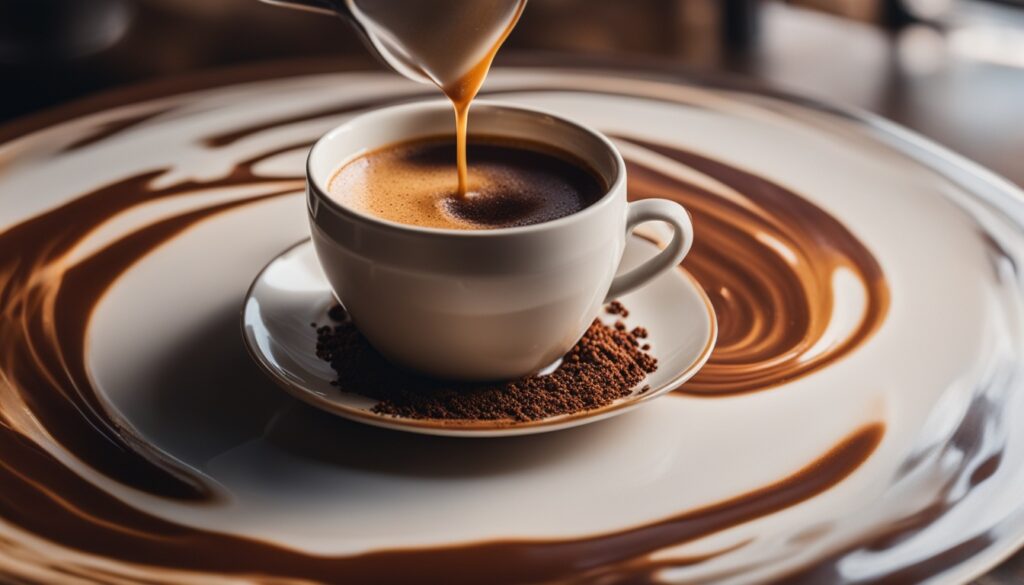
Looking for the perfect non-bitter coffee? Adding milk, sweeteners, and flavorings can make your brew smoother. Try different dairy products, natural sweeteners, and flavored syrups to balance bitterness. This can make your coffee smooth and enjoyable.
There are many milk in coffee options. You can choose from creamy whole milk to frothy non-dairy alternatives. The right milk can change how smooth and tasty your coffee feels. Try different milks to see which one goes best with your favorite coffee beans.
A little sweetener for coffee can balance out bitterness. Honey, maple syrup, and cinnamon or vanilla extract can add sweetness. This makes your coffee smoother.
For those who like to be creative, coffee flavorings can change everything. You can try classic flavors like hazelnut and vanilla or go for something new like lavender or caramel. A few drops of flavored syrup can make your coffee special.
Finding the perfect smooth, non-bitter coffee is all about experimenting. Try different coffee additives to find what you like best. Enjoy the journey of discovering your ideal coffee!
Conclusion to coffee that is not bitter
Finding smooth, non-bitter coffee is about knowing what makes coffee bitter and trying different beans, brewing ways, and roasts. By experimenting, you can discover a new world of smooth coffee.
Whether you like light or dark roasts, single-origin or blends, there are many choices for you. With some exploration and an open mind, you’ll find a smooth, non-bitter coffee that you’ll love. Remember, focus on water quality, brewing temperature, and roast level to reduce bitterness and bring out the coffee’s sweetness and complexity.
So, why not check out a local specialty coffee shop or a coffee farm in La Herradura, near Málaga? With knowledge and a willingness to try new things, you’ll surely find your perfect cup of smooth, tasty coffee.
FAQ: Non-bitter coffee
What factors contribute to bitterness in coffee?
Several things can increase your cup of joe’s bitterness. These include grinding the coffee too fine, using water that’s too hot or not good quality. Also, using the wrong type of beans, like Robusta instead of Arabica, can cause bitterness.
What type of coffee beans are best for a smooth, non-bitter cup of coffee?
Arabica coffee beans are top-notch for a smooth, non-bitter coffee. They have a complex flavor with sweetness and acidity. Robusta beans, on the other hand, taste harsh and bitter.
How can I brew coffee to reduce bitterness?
For a smooth coffee, use high-quality, filtered water. Keep the brewing temperature between 195°F and 205°F. Hot water can bring out bitter flavors, and bad water can make them worse.
What types of coffee regions are known for their low-acidity and smooth flavor profiles?
Some regions like Central America are famous for their low acidity and smooth taste. Trying out different coffee regions can help you find the perfect beans for a non-bitter coffee.
How can I enhance the smoothness of my coffee with additives?
Try adding different dairy products, natural sweeteners, and flavored syrups. These can balance out bitterness and make your coffee smooth and enjoyable.
Source Links
- https://onegreatcoffee.com/blogs/latest-news/coffee-that-is-not-bitter
- https://www.coffeedetective.com/which-is-the-smoothest-coffee.html
- https://coffee.stackexchange.com/questions/4127/does-there-exist-a-coffee-which-is-not-bitter