


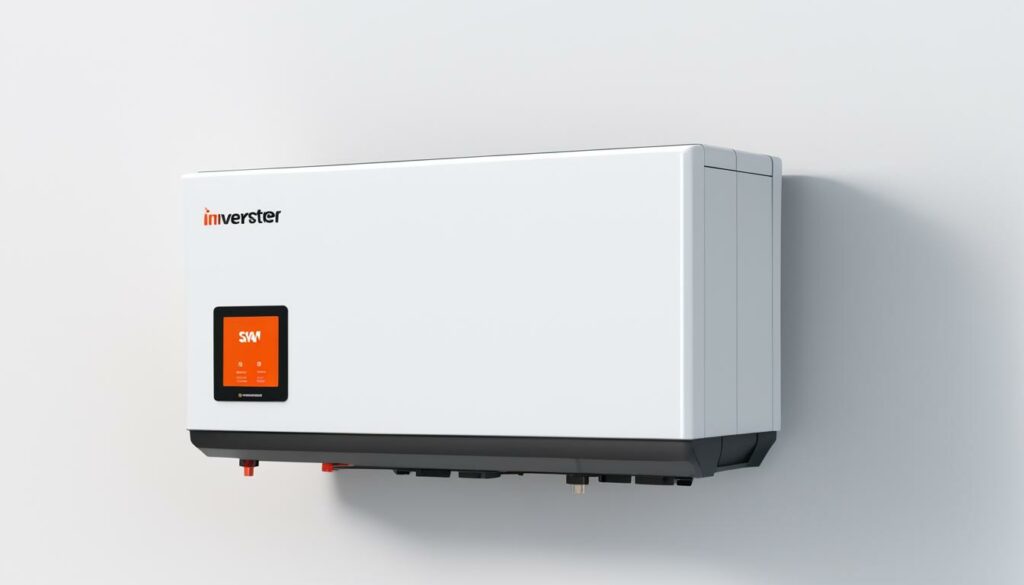
A 5kW inverter provides sufficient power for numerous household tools and gadgets. This makes it perfect for residential solar setups. You can use it to operate items like fridges, lights, and various kitchen appliances including a stove.
Managing a 5kW inverter’s power efficiently takes careful planning and organising. It’s crucial to choose what’s necessary to keep powered, know each item’s power needs, and run smaller devices together. Large appliances should be used at different times, with close attention to battery levels and employing smart, energy-efficient practices.
Choosing how many solar panels you need for a 5kW inverter is influenced by various aspects. These include the actual efficiency of the panels, available sunlight, and the inverter’s own capacity.
Key takeaways
- A 5kW inverter can support a broad range of home tools and tech.
- Effective use of an inverter needs careful planning and prioritization.
- Keeping up with solar panels and inverter maintenance is key for top performance.
- The exact number of solar panels will vary based on efficiency and the amount of sunlight an area gets.
- Using energy-saving techniques and smart devices can help your inverter work better.
What appliances can you run on a 5000W inverter?
A 5000W inverter carries a significant load, suitable for running numerous home devices. Perfect for emergency backup or off-grid times, knowing which items it can power is key. Let’s explore the common appliances compatible with this inverter:
- LED lights – These lights are low on power, making them perfect for a 5000W inverter.
- Household TVs – Enjoy your shows, movies, or series without worry, as your TV runs well on this inverter.
- Computers – Your work and entertainment require constant power, which this inverter can provide.
- Refrigerators – Essential for keeping your food fresh, they work well on a 5000W inverter during outages.
- Microwave ovens – Cook or warm up meals with your microwave, powered by this inverter.
- Small air conditioners – Keep cool in summer by running a small AC unit with a 5000W inverter.
- Washing machines – Laundry can continue with your washing machine powered by this inverter.
- Coffee makers – Don’t miss your morning coffee; run your maker on this inverter.
- Toasters – Make breakfast items like toast and bagels using this inverter.
- Stereos – Your music system can keep playing, thanks to the power from a 5000W inverter.
- Ceiling fans – Keep air moving with ceiling fans powered by this inverter.
- Electric heaters – Warm your space during cold months with heaters connected to your inverter.
A 5000W inverter’s continuous power is 5000 watts, providing steady output. However, its surge capacity is also important. Surge capacity meets the initial power demand when starting appliances. This is usually 2 to 3 times the regular capacity for devices like fridges and AC units.
To use a 5000W inverter effectively, calculate each appliance’s power needs thoroughly. This avoids exceeding the inverter’s capabilities and enhances its performance.
Armed with knowledge about a 5000W inverter’s capacity, you can wisely select and operate your appliances. Be mindful of both continuous power and surge capacity, as well as individual appliance requirements. This ensures a smooth and dependable operation of your inverter.

Factors to consider for 5000W inverter usage
Deciding to use a 5000W inverter requires careful thought. It’s essential to match it with your energy demands for a smooth operation. You should carefully look at battery needs and calculate them precisely. This includes taking into account the amp capacity and the currents required.
Battery requirements and calculations
Choosing the right number of batteries for your inverter involves several considerations. You must factor in the battery’s voltage, its Ah (ampere-hour) rating, and the duration for which you aim to use the stored energy. The formula to calculate the number of batteries needed is:


Using this formula will provide a good estimate of the batteries required for your setup.
Additionally, the arrangement of batteries—whether in series or parallel—affects the total number needed. Series connections increase the system voltage, while parallel connections increase the overall energy storage capacity (Ah). It is crucial to ensure the total voltage and capacity are within safe limits to avoid damaging your system.
Inverter Amp capacity and input currents
Ensuring your 5000W inverter has the right amperage capability is key. This is influenced by the maximum PV and DC input currents, as well as the AC input. It’s crucial that the inverter’s specifications can manage the current load to prevent system overloads.
| Factors to Consider | Inverter Amp Capacity |
|---|---|
| Maximum PV input current | 5000W |
| Max DC/battery input current | 5000W |
| Maximum AC input current | 5000W |
Always refer to the manufacturer’s advice and, if necessary, seek a professional’s opinion. They can help ensure your inverter choice is up to the task, handling your power requirements safely.
Considering these elements will help you figure out the right battery setup for your 5000W inverter. This ensures your power needs are met smoothly and efficiently.
Conclusion
A 5kW inverter is a powerful tool for your home, able to run a variety of appliances. It’s great for residential solar systems because it can hand different loads. By using it smartly and focusing on a few key points, you can get the best out of your inverter.
It’s important to know what each device in your home needs in terms of power. Run smaller items together and take turns with the larger ones. This way, you control the power and prevent the inverter from getting overloaded.
Think about when you use each appliance and keep an eye on the battery. Using energy-saving tips will also help. Adding smart appliances can cut down on how much electricity you use. By teaching everyone in your home to be energy conscious and looking after your solar gear, you’ll keep your system going strong for years to come.
To sum up, keeping your inverter working well means careful planning and knowing what each thing in your home needs. By balancing how you use power and adding green, smart tech, you’ll save energy. This leads to a more reliable and sustainable power supply from your solar system.
FAQ: Can a 5kW inverter run a stove?
Can a 5kW inverter run a stove?
Yes, a 5kW inverter has the power to run a stove. It’s crucial to match the stove’s power needs with the inverter’s capacity for best results.
What appliances can you run on a 5000W inverter?
A 5000W inverter is versatile, handling appliances like LED lights, TVs, and more. It supports a broad range of items found in the home.
What factors should be considered for 5000W inverter usage?
When using a 5000W inverter, think about battery count and their specs. Also, consider how long you plan to use it, the battery setup, and the inverter’s own limits.
Can a 5kW inverter power a stove?
Indeed, a 5kW inverter can supply a stove with power. Just make sure the stove’s requirements match up with what the inverter can handle.
Source Links
- https://offgridpowersolutions.co.za/what-can-a-5kw-inverter-power/
- https://powmr.com/blogs/news/what-will-a-5000-watt-inverter-run
- https://carbonite.co.za/index.php?threads/working-principles-of-deye-5kw-inverter.511743/